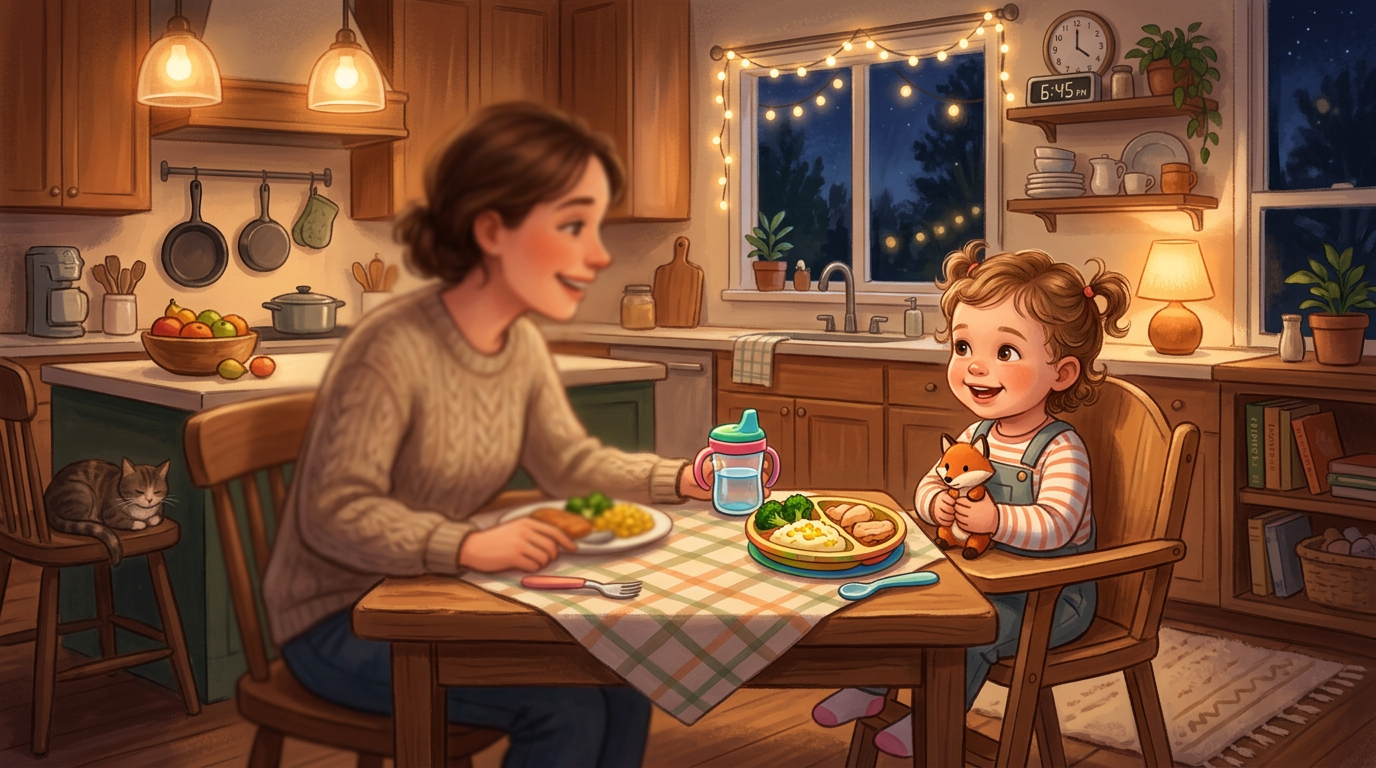
It’s 6pm. You spent 25 minutes making a meal your toddler has eaten happily before. You set it on the table. They look at it. They look at you. And then, with the confidence of someone who has never once paid for groceries, they say: “I don’t like that.”
Welcome to the picky eater phase. Population: every toddler in Rockwall and their exhausted parents.
Here’s the thing — picky eating is genuinely one of the most common concerns pediatricians hear from parents of toddlers and preschoolers. It’s frustrating, it’s stressful, and it can make every single meal feel like a negotiation. But it’s also almost always a completely normal developmental phase, not a sign that something is wrong with your child or your parenting. Understanding what’s actually going on — and what the research says actually helps — can take a lot of the pressure off the dinner table.
Why Toddlers Become Picky Eaters in the First Place
Your adventurous little eater who used to demolish pureed everything doesn’t suddenly hate food. What happened is that their growth slowed down significantly after age 1, which means their appetite naturally decreased. Less hungry toddler = more selective toddler. It’s biology, not a personal attack on your cooking.
On top of that, toddlers are hardwired to be suspicious of new foods — a trait that actually served our species well when “new food” might have been poisonous. Their brains flag unfamiliar tastes and textures as potential threats, which is why the same child who loved butternut squash at 10 months suddenly acts like you’ve served them motor oil at age 2.
Then there’s the control piece. Toddlers are becoming their own people with their own opinions and precious little actual power in the world. Food is one of the few arenas where they can exercise genuine control — and they know it. The dinner table power struggle is less about the broccoli and more about autonomy.
None of this makes dinnertime less exhausting. But knowing why it’s happening can help you respond to it differently.
What the Research Says Actually Works
The Division of Responsibility — and actually sticking to it. Feeding expert Ellyn Satter’s framework is the most evidence-backed approach to toddler feeding: you decide what is served, when it’s served, and where. Your child decides whether to eat it and how much. That’s it. No short-order cooking, no bribing, no pressure. It sounds simple and it is — but it requires parents to genuinely let go of the outcome, which is the hard part.
Exposure without pressure, over and over again. Research consistently shows that toddlers may need to be exposed to a new food 10 to 15 times before they’ll try it — and trying it doesn’t mean liking it the first time. Keep offering without making it a big deal. Put a small amount on the plate alongside foods you know they’ll eat. Don’t comment on whether they try it. The goal is familiarity, not a clean plate.
Eat it yourself first. Toddlers are wired to copy the people they trust most. If they watch you eating something with genuine enjoyment, their brain registers it as safe. This is one of the most powerful and underused tools in the picky eater toolkit.
Give them a real choice — a small one. “Do you want peas or carrots tonight?” hands your toddler some control without opening the floor to “neither, I want goldfish crackers.” The CDC backs this up: giving children a choice between foods they’ll actually be offered increases willingness to try them.
Get them involved in the process. Kids who help in the kitchen — washing vegetables, stirring, pouring — are measurably more likely to try the finished product. Blase Family Farms’ pick-your-own blueberries is practically a feeding therapy session disguised as a summer outing. When a toddler picks their own food, they almost always want to eat it.
Don’t label them a picky eater. This one is backed by Texas WIC and pediatric feeding specialists alike. Children live up to the identities we give them. “She’s such a picky eater” becomes a self-fulfilling story. Try “she’s still learning to try new foods” instead — same reality, completely different trajectory.
What Doesn’t Help (Even When It Feels Like It Should)
Bribing with dessert (“eat three more bites and you can have ice cream”) teaches kids to eat past their fullness cues and makes dessert feel even more valuable than the dinner you’re trying to get them to eat. Short-order cooking — making a separate meal when they refuse the first one — is completely understandable at 7pm on a Tuesday, but it does confirm that refusing food gets a better option. And pressuring kids to eat — the “just try one bite” that becomes a standoff — consistently backfires in the research, increasing food aversions rather than reducing them.
This stuff is hard to let go of because it feels like it should work. It mostly doesn’t. Consistent, calm, low-pressure exposure does.
When to Actually Talk to Your Pediatrician
Most toddler picky eating is normal and resolves with time and consistency. But there are times it’s worth a conversation with your child’s doctor: if your child is dropping weight or not growing, if they gag or vomit frequently at mealtimes, if they’ll only eat 5 or fewer foods total, if textures cause genuine distress (not just protest), or if you’re worried about nutritional gaps. Feeding therapy exists and it works — and there’s no shame in asking for support if mealtimes have become genuinely miserable for your family.
One More Thing That Helps More Than You’d Think
Kids who eat in social settings — at a table with other children their age — are consistently more adventurous eaters than kids who eat primarily alone or in front of a screen. There’s something about watching a peer try something new that bypasses the “this might be poison” instinct completely. If your toddler has a friend who eats well, arrange a few shared meals. You might be surprised.
It’s one reason why mealtimes in a quality early childhood program can actually support better eating habits at home. At Kiddie Academy of Rockwall, children eat healthy, nutritious meals and snacks together as part of their daily routine — breakfast, lunch, and an afternoon snack, all included in tuition. The social mealtime environment, combined with consistent exposure to a variety of foods, is exactly the kind of low-pressure setting where even the pickiest little eaters start to branch out.
This Phase Ends. It Really Does.
It doesn’t feel like it at 6pm when the chicken that worked last Tuesday is now apparently disgusting. But pediatric feeding research is clear: toddler picky eating almost always resolves on its own when parents maintain consistent, pressure-free exposure and keep mealtimes pleasant rather than combative.
You’re doing fine. Keep serving the vegetables. Keep eating them yourself. Keep your face completely neutral when they feed their dinner to the dog. And know that somewhere across Rockwall, approximately 10,000 other parents are having the exact same dinner conversation you are tonight.
You’re not alone. And it gets better.
Got a picky eater win — or a spectacular picky eater fail — to share? Drop it in the comments. Real stories from real Rockwall families are always welcome here.